Please Choose Your Language


In modern industrial operations, mixing tanks are essential equipment across a wide array of sectors, including chemical manufacturing, food and beverage processing, pharmaceuticals, cosmetics, and wastewater treatment. At their core, mixing tanks are vessels designed not only to hold materials but to combine substances into a homogeneous mixture. Unlike storage tanks, these vessels actively agitate contents to achieve uniformity, dissolve solids into liquids, maintain consistent temperatures, or prevent phase separation in complex formulations. The selection, design, and operation of a mixing tank are therefore critical, as they directly influence product quality, process efficiency, and operational safety.
The functionality of a mixing tank extends beyond simply blending ingredients. In chemical industries, mixing tanks enable reactions to proceed efficiently by improving contact between reactants and facilitating uniform heat distribution. In the food and beverage sector, consistent mixing ensures flavor, texture, and nutritional content are maintained. In pharmaceuticals and biotechnology, mixing tanks help maintain sterile conditions and precise formulation requirements. Across these applications, the capacity of the tank, the type of agitation, and process control mechanisms play pivotal roles in achieving the desired results.
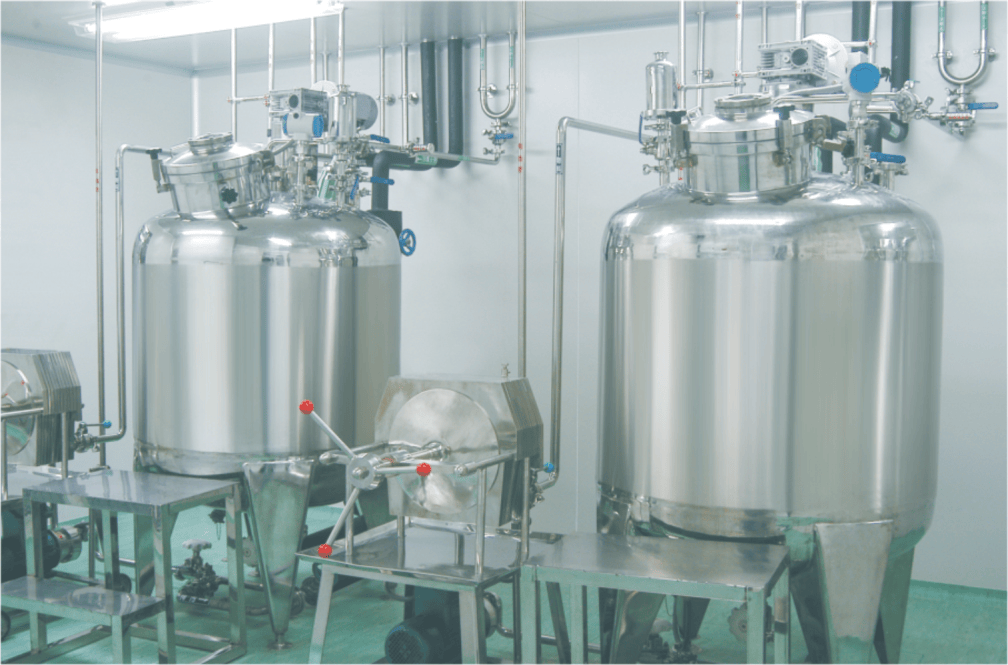
The vessel itself forms the foundation of any mixing tank system. Vessels can be cylindrical, conical, or rectangular, and their materials are selected based on chemical compatibility, temperature requirements, and sanitation considerations. Stainless steel is commonly used for applications that demand hygiene, such as food, beverage, and pharmaceutical industries, while specialized alloys or coated steels are chosen for handling corrosive chemicals or high-temperature processes. The design of the vessel not only needs to withstand operational stresses but also facilitate cleaning and maintenance to prevent contamination or degradation of products.
Agitation is the primary mechanism that enables a mixing tank to perform its function. Different impeller types serve different purposes depending on the properties of the fluid and the goals of mixing. Radial flow impellers generate high turbulence and are suitable for vigorous mixing, while axial flow impellers provide gentle circulation for sensitive products. Specialized designs such as anchors, paddles, or ribbon mixers handle viscous or semi-solid substances, ensuring thorough homogenization. High-shear mixers are utilized for rapid dispersion or emulsification, especially in cosmetic, adhesive, or specialty chemical production. The selection of the correct impeller is crucial in achieving uniform distribution without introducing excessive shear that could damage sensitive ingredients.
The drive system powers the agitation process. Typically, electric motors are used in combination with gearboxes and variable speed drives, allowing operators to adjust mixing intensity and duration. Efficient drive systems reduce energy consumption and mechanical wear while maintaining optimal performance. Variable speed control is particularly important for processes that involve multi-stage mixing or delicate materials, enabling gradual acceleration and deceleration to prevent splashing, foaming, or air entrainment.
Modern mixing tanks are increasingly equipped with sophisticated instrumentation and control systems. Temperature probes, level sensors, and automated control panels allow operators to monitor and adjust process parameters in real time. Some systems incorporate programmable logic controllers (PLCs) and data logging, enabling precise, repeatable mixing operations while minimizing the potential for human error. Automation enhances safety, efficiency, and consistency, especially in high-volume or regulated industrial settings.
In chemical plants, mixing tanks play a central role in producing consistent compounds and facilitating controlled reactions. These tanks often operate under specific pressure or vacuum conditions, which can be crucial for certain reactions or for handling volatile substances. The combination of proper vessel material, agitation system, and temperature control ensures that reactions proceed efficiently and safely. Mixing tanks also contribute to improved heat transfer, reducing hot spots and preventing degradation of sensitive chemicals.
The food and beverage industry relies on mixing tanks to maintain product quality, flavor, and texture. Jacketed sanitary tanks allow precise temperature control during processing, while polished stainless steel surfaces and sanitary seals prevent contamination. Mixing tanks are used in processes such as blending beverages, preparing sauces, and producing dairy products. Their design must comply with strict hygiene standards, including clean-in-place (CIP) capabilities, to ensure safety and regulatory compliance.
In pharmaceutical and biotechnology applications, mixing tanks provide sterile environments and precise control over formulations. They are used to prepare solutions, suspensions, and complex compounds while adhering to stringent regulatory requirements. Tanks may be equipped with specialized agitation systems, heating or cooling jackets, and automated monitoring to ensure consistency and safety. Maintaining sterility and preventing contamination are paramount, making material selection, design, and cleaning protocols critical considerations.
High-shear mixing tanks are widely used in the production of cosmetics, adhesives, and other specialty materials. These tanks ensure the uniform texture, appearance, and performance of products, particularly emulsions, creams, and viscous liquids. Process control, precise agitation, and temperature regulation are vital to achieving the desired quality, and high-shear mixing allows rapid dispersion of powders or droplets into liquids without compromising product integrity.
Mixing tanks are also used in environmental applications, such as wastewater treatment. In these systems, tanks help maintain uniform chemical concentrations, enhance biological treatment processes, and prevent sedimentation or separation of solids. Efficient mixing ensures that treatment chemicals interact effectively and that the treated water meets regulatory standards.
The operation of a mixing tank generally follows a defined sequence. First, raw materials are measured according to the batch specifications and loaded into the tank. Agitation is then applied, often starting at low speeds to prevent splashing or vortex formation, and gradually increased to achieve the desired level of mixing. During the process, temperature, pressure, or pH may be monitored and adjusted to maintain optimal conditions. Once the mixture reaches the required uniformity, it is discharged for further processing, storage, or packaging. Proper operation requires trained personnel, adherence to safety protocols, and regular maintenance of mechanical components, seals, and control systems.
Selecting the appropriate vessel material is critical for safe and effective operation. The material must withstand the chemical nature of the ingredients, resist corrosion, and maintain structural integrity under operational conditions. Stainless steel is preferred for hygienic applications, while coated steels or specialized alloys may be required for highly reactive or corrosive substances.
Mixing tanks are available in a wide range of capacities, from small pilot-scale vessels to large industrial units. The choice of capacity should align with production requirements to ensure efficiency and prevent overloading, which could compromise mixing quality.
The viscosity, density, and solids content of the materials dictate the choice of impeller and the required agitation intensity. High-viscosity fluids may need specialized anchors or ribbon mixers, while low-viscosity liquids often benefit from high-speed impellers. Proper design ensures consistent mixing without causing damage to sensitive ingredients.
Processes that involve heating, cooling, or pressurization require tanks equipped with jackets, coils, or reinforced structures. Maintaining precise temperature control ensures proper reactions, dissolution, and stability of sensitive products, while pressure control may be necessary for reactions involving volatile or pressurized components.
For food, beverage, and pharmaceutical applications, sanitation is critical. Tanks must be compatible with cleaning-in-place systems, feature polished surfaces to prevent microbial growth, and employ sanitary seals to maintain hygienic conditions. Compliance with regulatory standards such as GMP or FDA guidelines is often mandatory.
Modern mixing tanks incorporate automation to improve efficiency and repeatability. Variable speed drives, programmable logic controllers, and sensors allow precise control of mixing parameters, enabling consistent quality across batches. Automation also minimizes human error, enhances safety, and provides valuable process data for monitoring and optimization.
Operators of mixing tanks may encounter issues such as uneven mixing, material build-up, foaming, or temperature deviations. Solutions involve careful selection of impellers, improved tank baffling, optimization of agitation speed, and integration of precise temperature control. Regular preventive maintenance and operator training are essential to ensure long-term reliable performance.
Selecting the right mixing tank is more than purchasing standard equipment; it requires expertise in design, materials, agitation systems, and process control. Partnering with a knowledgeable manufacturer ensures that the tanks are tailored to specific applications, meet operational requirements, and comply with relevant regulations. Wenzhou Tianxu Machinery Technology Co., Ltd. has extensive experience in providing high-quality, reliable mixing tanks for diverse industries. Engaging with such a partner can help manufacturers achieve optimal performance, improve product consistency, and enhance overall process efficiency. By choosing a trusted and experienced manufacturer, companies can ensure that their mixing operations run smoothly, safely, and efficiently, while meeting both production and regulatory goals.
Q: What is a mixing tank used for?
A: A mixing tank blends, agitates, or homogenizes liquid and semi-solid materials to achieve consistent composition and uniform properties in industrial processes.
Q: How does a mixing tank differ from a storage tank?
A: Unlike storage tanks, mixing tanks are equipped with agitators and controls that actively stir or circulate contents, rather than merely holding them.
Q: What industries commonly use mixing tanks?
A: Mixing tanks are widely used in chemical manufacturing, food and beverage processing, pharmaceuticals, cosmetics, wastewater treatment, and specialty materials production.
Q: How do you select the right mixing tank?
A: Selection depends on fluid properties, process temperature and pressure, batch size, sanitation requirements, and desired mixing performance.