Please Choose Your Language


| Quantity: | |
|---|---|


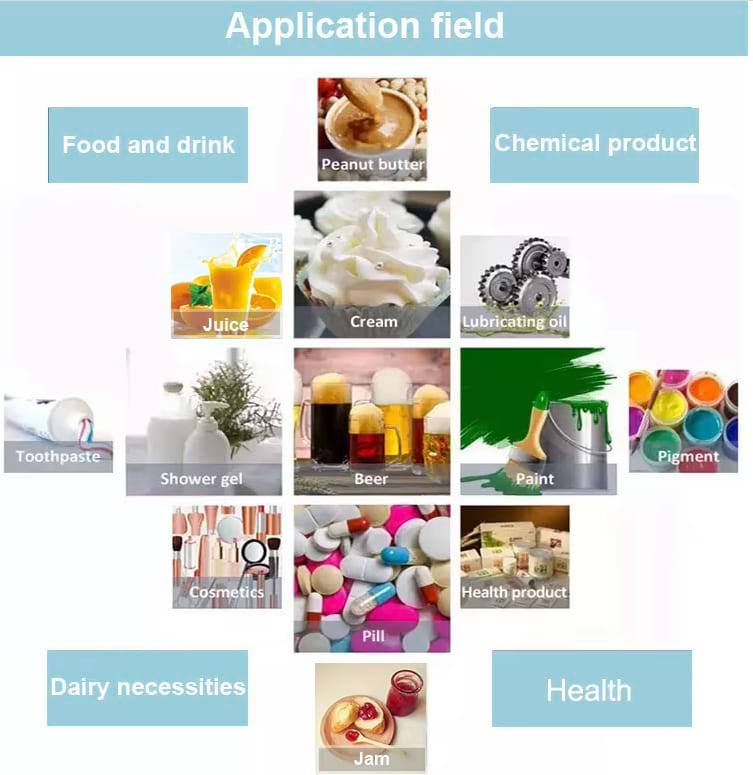
Dual-Effect Vacuum Concentrator for Pharma Food is an energy-efficient concentration system designed for both pharmaceutical and food industries, leveraging two consecutive evaporation stages to reduce energy consumption while maintaining product quality. Unlike single-effect concentrators, it reuses secondary steam from the first effect to heat the second effect, cutting energy usage by 30–40%—a key advantage for large-scale production. Constructed from 316L stainless steel (pharmaceutical grade) and 304 stainless steel (food grade, non-wetted parts), it complies with GMP, FDA 21 CFR Part 177, and EHEDG standards. Core parameters include a working vacuum range of -0.085 to -0.098 MPa (dual-stage adjustable), a heating temperature of 45–70°C, and a concentration ratio of 1:3 to 1:20. It is ideal for concentrating heat-sensitive materials such as pharmaceutical extracts, fruit juices, and dairy products.
• Dual-Effect Energy Saving: The two-effect design recycles secondary steam (from the first effect’s evaporation) as a heat source for the second effect, reducing steam consumption to 0.4–0.6 kg steam/kg water evaporated (vs. 1.1–1.3 kg for single-effect models).
• Dual-Stage Vacuum Control: Each effect has an independent vacuum pump (double-stage rotary vane type), allowing precise adjustment of vacuum degree (first effect: -0.06 to -0.07 MPa, second effect: -0.09 to -0.098 MPa) to match different material evaporation requirements.
• Sanitary & Versatile Design: Wetted parts feature electropolished surfaces (Ra < 0.4 μm) and seamless welding (ASME BPE standards) for easy cleaning; the system supports both batch and continuous operation, with a processing capacity of 100–2000 kg/h (water evaporation rate).
• Advanced Condensation System: A shell-and-tube condenser (heat exchange area: 3–20 m²) with a low-temperature cooling water loop (5–15°C) achieves a solvent recovery rate of >98%, minimizing environmental emissions and solvent waste.
• Material Protection Technology: The low-temperature evaporation (minimum 45°C) and gentle agitator (10–25 rpm) prevent thermal degradation of heat-sensitive components—e.g., preserving >90% of vitamin C in fruit juice and >95% of API activity in pharmaceutical extracts.
• Pharmaceutical Industry:
◦ Concentrates antibiotic solutions (e.g., erythromycin, tetracycline) at 50–60°C to avoid drug decomposition, ensuring compliance with USP <788> particulate matter standards.
◦ Processes herbal extracts (e.g., licorice, chrysanthemum) for oral solid dosage forms (tablets, capsules), maintaining the integrity of active herbal compounds.
• Food Industry:
◦ Concentrates fruit juices (orange, apple, grape) to 65–75° Brix for juice concentrates, preserving natural flavors and pigments (e.g., carotenoids in orange juice).
◦ Reduces moisture in dairy products (e.g., milk protein concentrates, whey protein) from 80% to 30% moisture content for easier drying and storage.
Q1: What is the maximum water evaporation rate of this concentrator?
A1: Standard models offer evaporation rates from 100 kg/h to 2000 kg/h; custom systems can achieve up to 3000 kg/h for large-scale food processing plants (e.g., juice concentrate factories).
Q2: Can it switch between pharmaceutical and food-grade operations?
A2: Yes. The system features a full CIP + SIP (Sterilization-in-Place) function (SIP temperature: 121°C, 30 minutes) that eliminates cross-contamination, allowing safe switching between pharmaceutical and food applications with minimal downtime.
Q3: How does it handle high-viscosity materials (e.g., honey, thick herbal extracts)?
A3: It is equipped with a variable-speed agitator (up to 50 rpm) and a jacketed heating system with adjustable temperature gradients, enabling concentration of materials with viscosities up to 10,000 cP without sticking or uneven heating.